Skip to content

Research

My current research centers on AI and computer vision for quantitative phenotyping in neuroscience. I develop markerless pose estimation, behavioral-state modeling, and multimodal analysis pipelines that convert video into objective measurements of movement, pain-related behavior, and recovery after spinal cord injury.

Current Focus

AI for Behavioral Phenotyping

I use computer vision and deep learning to track and quantify animal behavior after spinal cord injury. Markerless pose estimation, combined with kinematic and state-based modeling, lets us measure locomotion, pain responses, and recovery from video — connecting what an animal does to what's happening in its nervous system.

  • Markerless pose estimation of freely behaving subjects
  • Kinematic profiling and behavioral-state segmentation
  • Automated quantification of gait, pain responses, and functional recovery
  • Phenotyping pipelines that combine pose, gait, and behavioral data
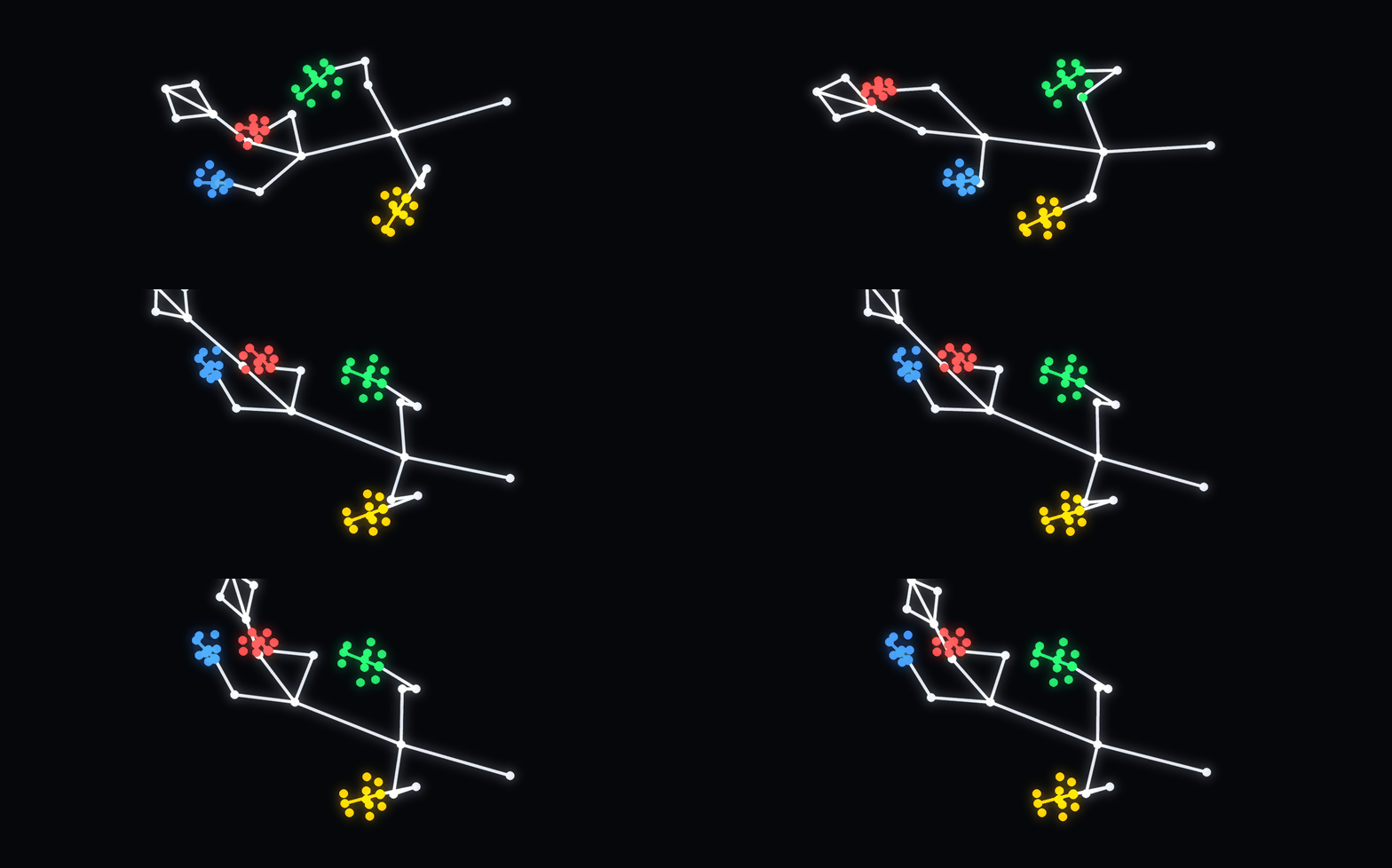
Animated mouse locomotor skeleton rendered from PHRASE pose tracking coordinates on a dark background

Earlier Work

Viral Vector and Molecular Tool Development

Before pivoting to computational work, I built and tested adeno-associated viral vectors and CRISPR-based tools for neuroscience — constructs for labeling neurons, manipulating circuits, ribosomal tagging, and programmable RNA targeting, mostly applied to spinal cord injury models.

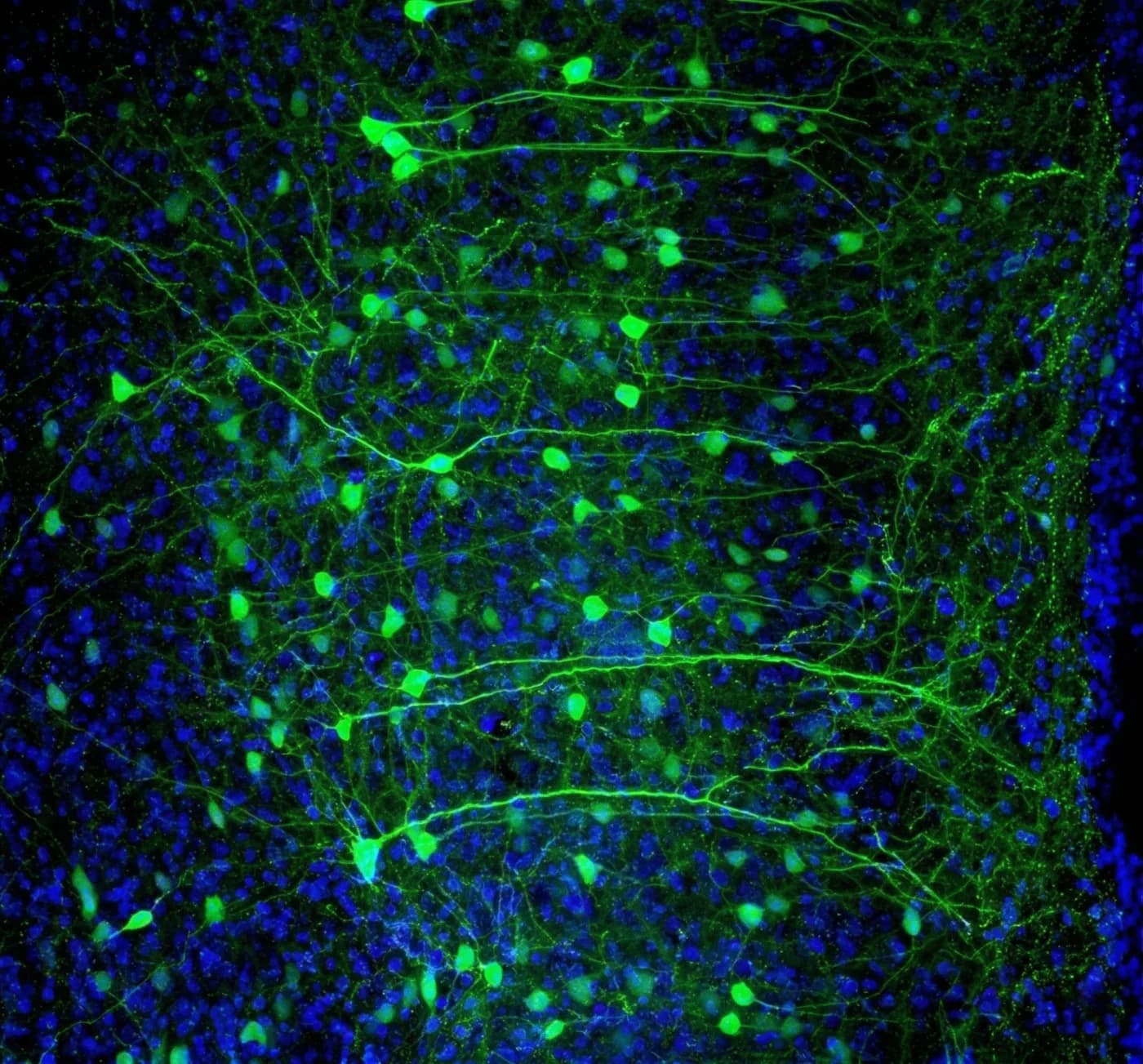
  • AAV reporter and ribosomal tagging constructs for neuronal labeling
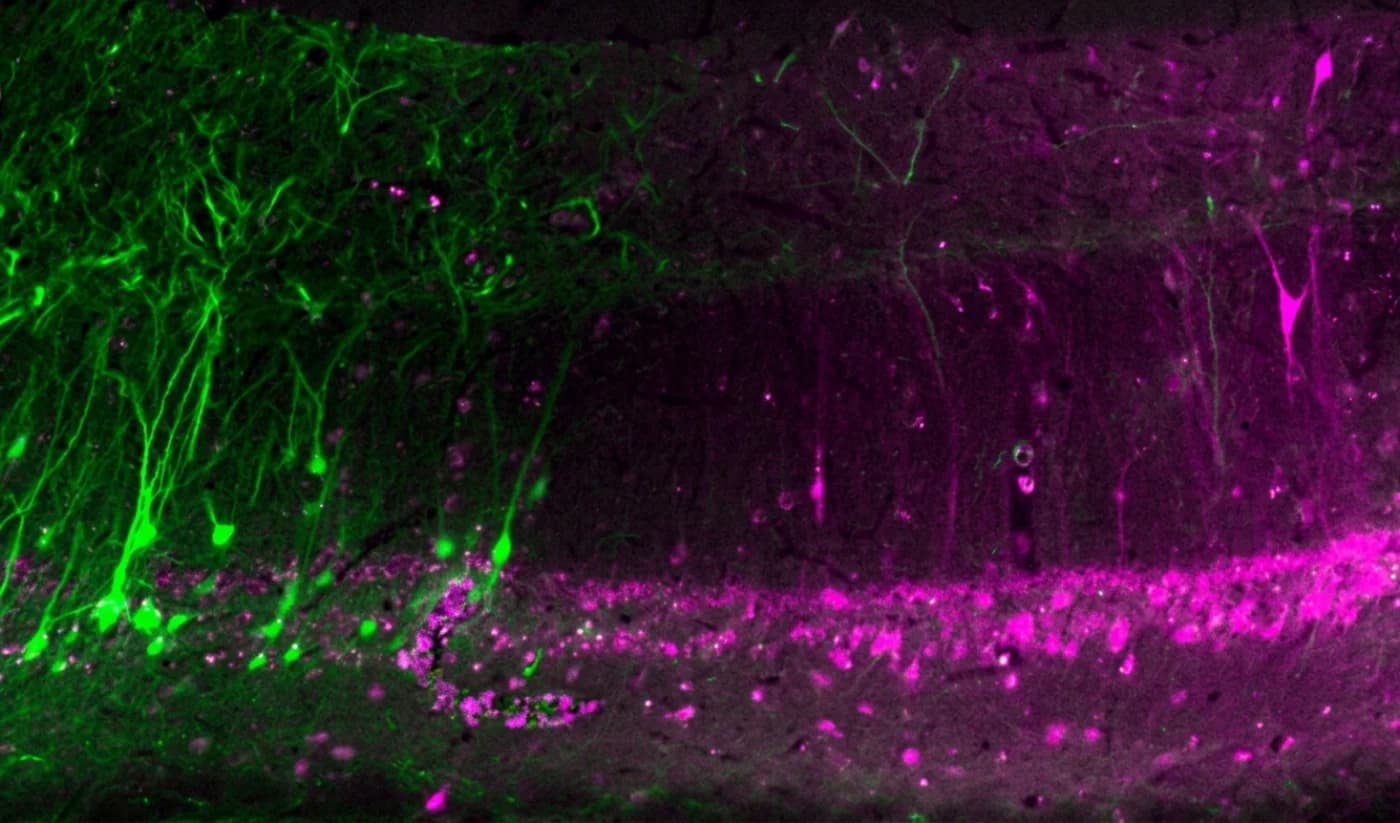
  • RfxCas13d (CasRx) for programmable RNA targeting in the CNS
  • High-fidelity Cas13d variant comparison for reduced off-target activity
  • Optogenetic and chemogenetic tool delivery via AAV
AAV8-hChR2-EYFP labeled neurons with green cell bodies and dendrites against DAPI blue counterstainAAV8-hChR2-EYFP
Dual AAV co-injection showing green EFS-Cas13d neurons and magenta E2-Crimson-U6-DR30-gRNA expressionEFS-RfxCas13d-2A-EGFP + E2-Crimson-U6-DR30-gRNA
Research — Alfredo Sandoval